Icebreaker Games for Every Situation
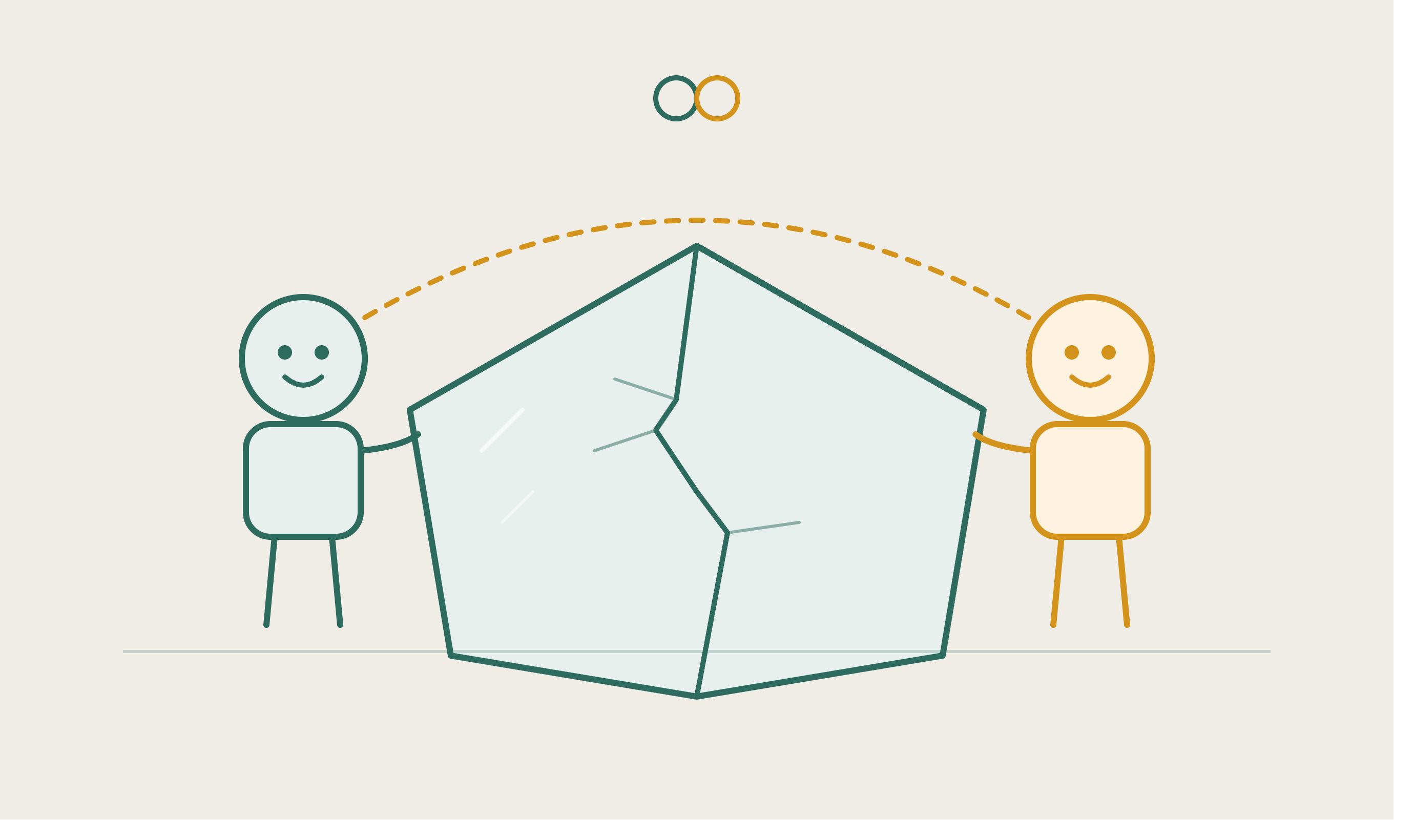
The best icebreaker games share one quality: they give people something to react to together. A shared task, a surprising answer, a drawing that looks nothing like what it was supposed to be. The game is just the excuse to interact. What actually breaks the ice is the reaction.
Here’s a breakdown by situation, from one-on-one to large groups, in-person and online.
For Two People
Two-person icebreakers are the hardest to find because most game sites are built for groups. The formats that work best for two are either head-to-head challenges or questions you both answer and compare.
This or That. One person asks a this-or-that question, both answer at the same time. No wrong answers, no pressure, and the disagreements tend to lead somewhere. Good as a warmup before anything else.
Two Truths and a Lie. Each person comes up with two true statements and one false one. The other guesses which is the lie. Works well one-on-one because you get to hear the stories behind the truths after the guess.
This or That Spiral on Couplescade. The browser version of the format, with 200 questions across five escalating levels. Starts with easy preferences and gets progressively stranger. One person opens it, shares a four-letter room code, the other joins on their own device. Free, no account needed.
Hot Take Showdown. Both players answer the same question simultaneously and reveal at the same time. 80 questions, quick rounds, good for when you want something that moves fast rather than lingering on any one topic.
Read My Mind. You answer questions about yourself and guess how the other person answered. Points for matching. The gaps are usually more interesting than the matches.
All of the Couplescade games are free and browser-based. One room code, any two devices.
For Small Groups (Three to Eight)
Two Truths and a Lie scales well to groups. Go around the room, everyone gets a turn. Takes about 20 minutes for eight people and you learn something about everyone.
Would You Rather. Someone poses a question, everyone answers at the same time — hands up for A, hands down for B. Discuss the split. Good for groups because the differing answers are the point.
The One-Word Check-In. Everyone describes how they’re feeling in one word, no explanation required. Simple, takes two minutes, and gets everyone talking before anything else starts. Works better than most people expect.
Skribbl. Free browser drawing-and-guessing game. One person draws a word, everyone else types guesses in real time. Private rooms work with a shareable link. Takes about 30 seconds to set up and immediately gets loud. Good for groups that don’t want to think about what to play.
Gartic Phone. Players alternate between writing descriptions and drawing them, then everyone sees how the original prompt transformed through the chain. Better with five or more people. The reveal at the end is usually funnier than any individual drawing.
For Large Groups
Kahoot. One person builds a trivia quiz, everyone joins on their phone browser. Free tier covers most use cases. Scales to any group size and the competitive format keeps energy up. Good for groups with mixed gaming experience because the format is instantly familiar.
Human Bingo. Give everyone a grid with traits in each square (“has visited more than five countries,” “can play an instrument,” “has a pet”). First to fill a row by finding people who match wins. Works best in-person with a group that doesn’t know each other yet.
Gartic Phone works for larger groups too, up to around 30 players. The longer the chain, the better the final reveal tends to be.
The Unpopular Opinion Round. Each person shares a mildly controversial take — nothing political or personal, just something like “cold pizza is better than hot pizza.” Set the boundary upfront, then go around the room. Fast, low-stakes, and surprisingly effective at loosening a group up.
For Virtual Calls
Most in-person games translate to video calls with minor adjustments. A few that work particularly well remotely:
Skribbl and Gartic Phone both run in browsers and work over video call with no screen sharing needed. Everyone joins the same room from their own device.
This or That works over video — one person reads a question, everyone holds up fingers for their answer at the same time. No materials, no setup, works on any call platform.
The Photo Roulette. Everyone opens their camera roll and goes to the 17th photo. Each person shares their screen and explains the photo. Takes about two minutes per person and reveals more than most structured icebreakers.
Couplescade works well for two-person virtual calls — a first video call, a remote work pairing session, catching up with someone you haven’t seen in a while. Same room code system, each person on their own device.
What Makes an Icebreaker Actually Work
The format matters less than the energy behind it. An icebreaker fails when it feels mandatory, when people can tell they’re being facilitated rather than just playing something. The ones that work tend to start fast, have a clear thing to react to, and don’t ask people to be vulnerable before they’re comfortable.
Starting with something low-stakes and moving toward something more personal is a reliable structure. A quick round of this-or-that before a deeper question. A drawing game before a conversation one. The game itself does the warming up; you don’t have to engineer it.
Pick something appropriate to the group size, start it before people have time to second-guess it, and let the reactions do the work.
Frequently asked questions
What are good icebreaker games for small groups?
Two Truths and a Lie, Would You Rather, and This or That questions all work well for small groups because they need no materials and scale to any number of people. For something more structured, Skribbl and Gartic Phone are free browser options that work with three or more people.
What are icebreaker games for two people?
Couplescade has 12 free two-player browser games that work well as icebreakers, covering drawing, trivia, reflexes, and conversation prompts. This or That Spiral and Hot Take Showdown are particularly good for two people who are just getting to know each other.
What icebreaker games work online?
Skribbl and Gartic Phone for groups. Couplescade for two people. Kahoot for larger groups with a host. All are free and run in a browser with no download.