How to Make Friends as an Adult
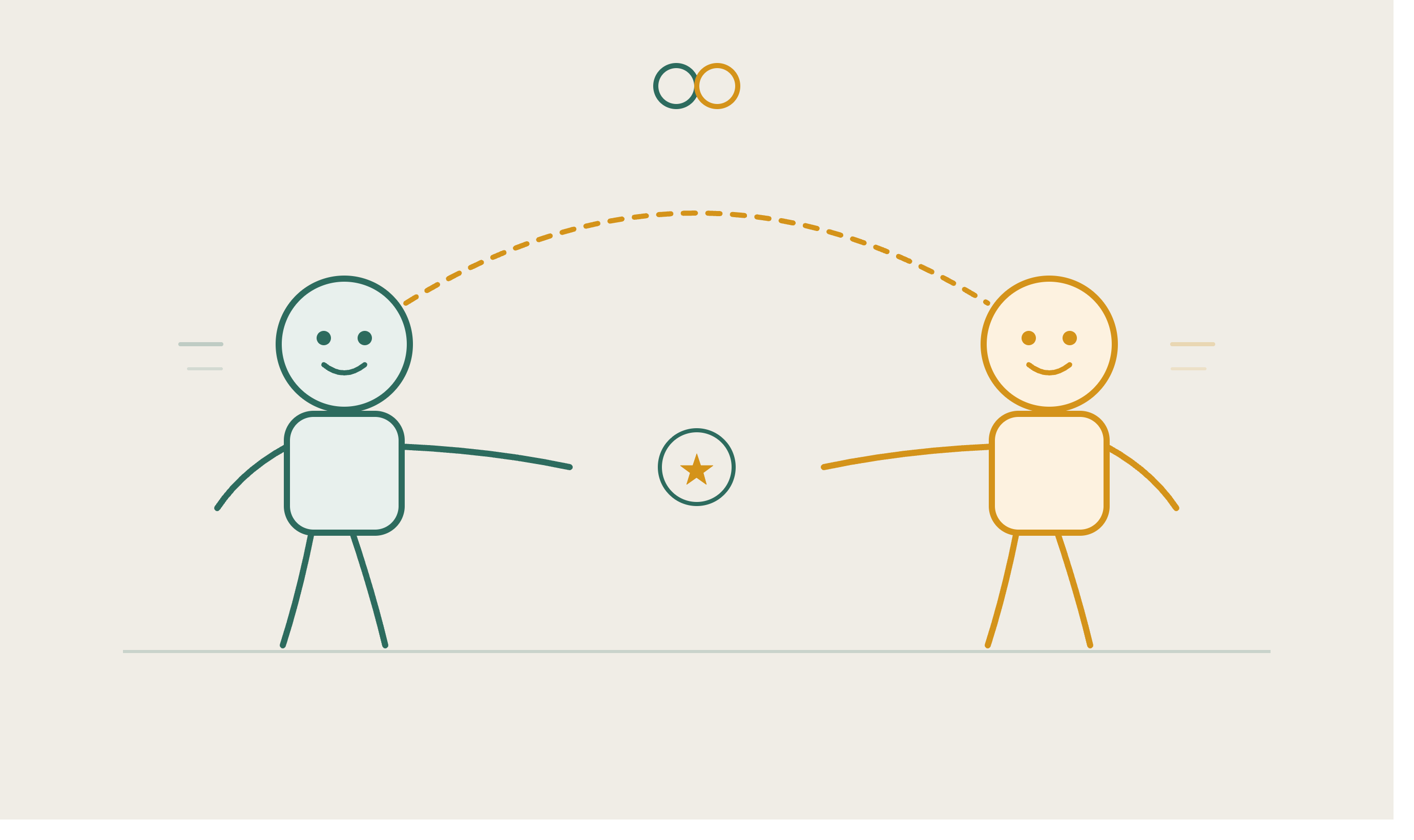
At some point in your twenties or thirties, you look around and realise that making friends has become genuinely difficult. Not because you’re unlikeable or antisocial, but because the conditions that made it easy before — school, university, shared housing — no longer exist. You’re left trying to manufacture something that used to happen automatically.
This is not a personal failing. It’s structural.
Why It Gets Hard
Friendships form through three things: proximity, repetition, and low-pressure contact. In school you had all three without trying. You were forced into the same space as the same people, repeatedly, with nothing particularly at stake. Friendships emerged from that environment without anyone having to engineer them.
Adult life removes all three. You might meet interesting people at a party, a work event, a class, but the follow-up requires deliberate effort that feels awkward to initiate explicitly. “We should hang out sometime” is easy to say and hard to act on. And without repetition, even good first impressions fade quickly.
The research on friendship formation consistently points to the same conclusion: proximity and repeated unplanned contact matter more than almost anything else. You become friends with people you keep running into, not people you had one good conversation with.
What Actually Helps
Find something recurring. A weekly class, a sports league, a running group, a book club, a regular game night. The format matters less than the repetition. You need a reason to be in the same place as the same people more than once, ideally without having to individually organise each instance.
The first few times you show up, you probably won’t click with anyone in particular. That’s normal. Friendships need more than one data point to develop. Keep showing up and let familiarity do some of the work.
Lower the stakes on the follow-up. The gap between meeting someone and actually spending time with them is where most adult friendships die. The follow-up feels weirdly formal — suggesting plans with someone you barely know has an awkwardness that wasn’t there when you were younger.
It helps to keep the first follow-up small and specific. Not “we should hang out sometime” but “I’m going to that market on Saturday, want to come?” or “there’s a new place near me if you want to grab coffee.” A concrete, low-commitment plan is easier to say yes to than an open-ended one.
Have something to do. Open-ended socialising — just going to someone’s place with no plan — is harder with people you don’t know well yet. An activity gives you both something to focus on. It reduces the pressure on conversation and gives you shared material to react to together.
Games work well for this. Not because they’re inherently social, but because they create a structure where interaction happens naturally rather than having to be generated from scratch. You don’t have to think of things to say; the game gives you something to say them about.
Couplescade is built for two players and works just as well for new friends as it does for couples. This or That Spiral runs through 200 escalating questions — starts light, gets gradually more revealing — which is actually a useful format for getting to know someone without it feeling like an interview. Read My Mind has you guessing how the other person answered a set of questions, which tends to surface things you didn’t know about each other. Both are free, browser-based, and start in under a minute with a shared room code.
Be the one who organises things. Most people are waiting for someone else to take the initiative. If you send the message, suggest the plan, and make it easy to say yes, you’ll find that more people are interested than you’d expect. The bottleneck is usually activation energy, not desire.
Give it time. Friendships that feel effortless usually took longer to develop than they appear to. What looks like instant connection from the outside is often months of repeated contact that eventually crossed a threshold. If you’ve met someone interesting and things feel slightly awkward, that’s not a sign it’s not working — it’s just where most friendships are before they’re real ones.
The Part Nobody Talks About
A lot of advice about making friends as an adult focuses on where to meet people: join clubs, take classes, use apps. That part is real but it’s also the easier part. The harder part is what comes after — the sustained, slightly uncomfortable effort of turning an acquaintance into an actual friend.
That process requires you to initiate more than feels natural, follow through on plans that are easier to cancel, and spend time with people before you know whether you’ll actually like them. It can feel one-sided for longer than expected. Most people bail before it has a chance to develop.
The friends you make as an adult tend to be the result of someone — often you — deciding to keep showing up even when it would be easier not to. That’s less romantic than the friendships that form automatically, but it’s the same thing in the end.
Frequently asked questions
Why is it so hard to make friends as an adult?
Adults have fewer of the conditions that made childhood friendships easy: forced proximity, repeated unplanned contact, and enough free time to let things develop slowly. Making friends as an adult requires more intentional effort to recreate those conditions, which most people find awkward to do explicitly.
How do you make real friends as an adult?
Repeated contact in a low-pressure context is the most reliable route. A recurring class, a regular hobby group, a standing game night. One-off social events rarely produce lasting friendships. The key is finding something that puts you in the same place as the same people more than once.
What do you do with a new friend as an adult?
Something with a built-in activity is easier than open-ended socialising. A walk, a game, cooking together, watching something. The activity gives you both something to focus on, which takes the pressure off the conversation and makes it easier to relax around someone new.