Games for Two People That Are Worth Playing
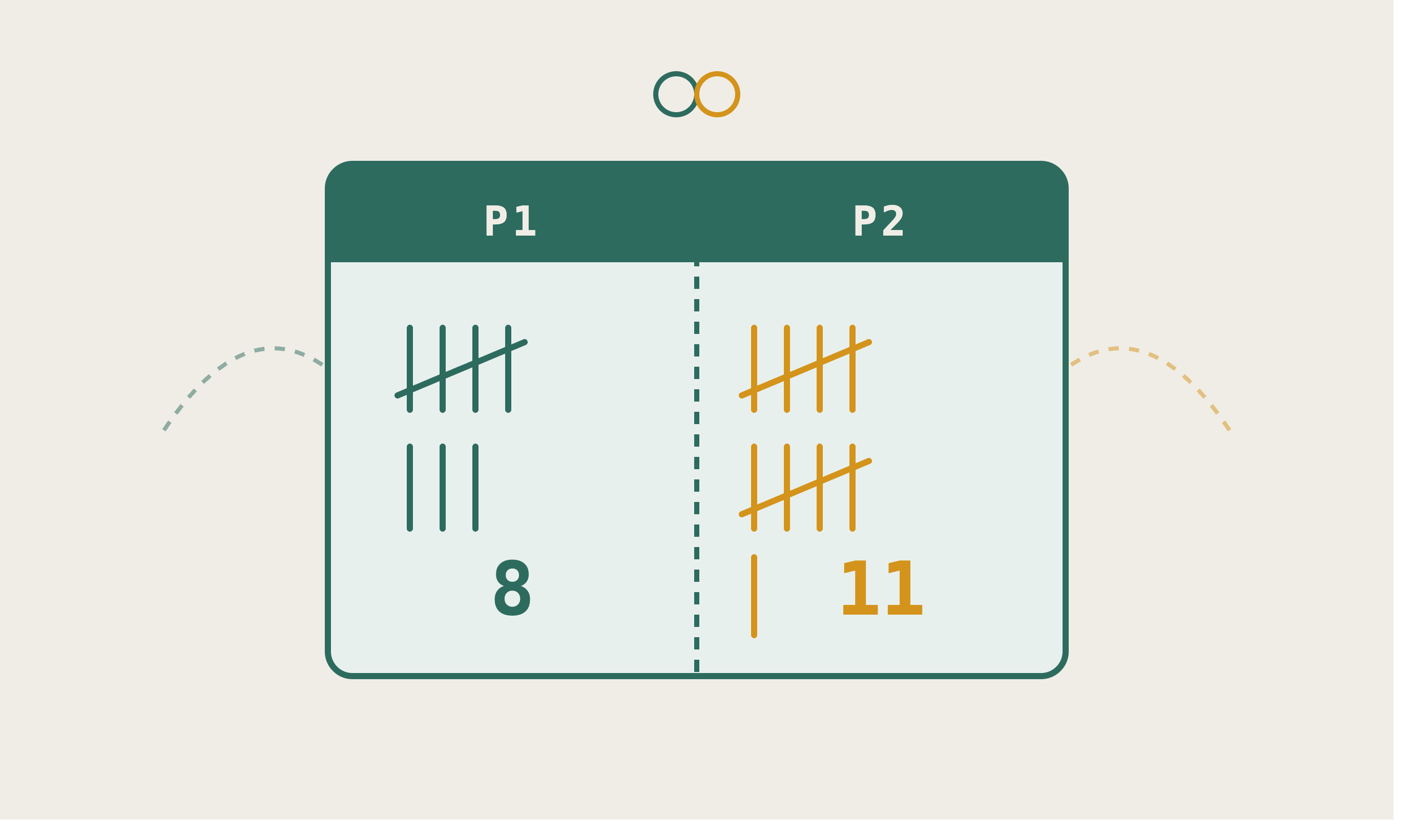
Most games are designed for groups. The box says three to six players, or four to eight, and you end up either finding extra people or just not playing. Two-player games are a different category entirely, and there are more good ones than most people realize.
This is a straightforward list, broken down by what you actually need to play.
Board Games Built for Two
A lot of classic board games are fine with two people but weren’t really designed for it. The ones below were, and it makes a difference.
Codenames Duet takes the original Codenames format and rebuilds it as a fully cooperative two-player game. You’re working together to identify all the agents on the board using one-word clues, with a shared timer adding pressure. It plays in about 20 minutes and gets genuinely tense toward the end.
Patchwork is a quieter game about building a quilt from shaped tiles, competing for buttons and board space. It sounds calmer than it is. The decisions get complicated fast, and it’s one of those games where you keep wanting one more round.
7 Wonders Duel is a card drafting game that scales down the larger 7 Wonders into something tight and strategic for exactly two players. Games take around 30 minutes. There’s enough going on that it holds up over many plays without getting repetitive.
Jaipur is a trading and collection card game set in a market. Fast, easy to learn, hard to put down. Good for people who want something competitive without a long setup.
Card Games That Need Nothing But a Deck
If you already own a standard deck of cards, you have more two-player options than you probably think.
Rummy is the obvious one. Easy to learn, endlessly playable, and the kind of game that fills an hour without you noticing. There are enough variations (Gin Rummy, Rummy 500) that you can keep it from going stale.
Cribbage has a steeper learning curve but rewards it. It’s one of the older card games still widely played, and once you’ve got the scoring down it becomes fast and satisfying.
Speed is exactly what it sounds like. No strategy, just reflexes. Good when you want something that requires zero thinking.
Egyptian Rat Screw is chaotic in a way that most card games aren’t. Slapping rules, fast play, and the kind of moments that make you both laugh at the same time. It doesn’t have a dignified name but it’s consistently fun.
Word and Trivia Games
These work anywhere with no setup, which makes them useful for restaurants, road trips, or nights when you don’t want to get anything out.
20 Questions is old and still works. One person thinks of something, the other gets 20 yes/no questions to figure out what it is. Simple, surprisingly hard, takes as long as you want.
Category games where you alternate naming things in a category until someone gets stuck are low-effort and can go in interesting directions depending on the category.
Two Truths and a Lie tends to surface things about each other that don’t come up in regular conversation. Even with someone you know well, you can usually find a lie that’s hard to spot.
Browser Games You Can Play Right Now
These need no equipment, no purchase, and no setup beyond sharing a link. Both people open the game on their own devices and play in real time.
Couplescade is built specifically for two players. One person opens a game and shares a four-letter room code. The other joins on any device, phone, tablet, or laptop, and you’re in. It works just as well in the same room as it does over a video call, which makes it one of the few options that genuinely covers both situations.
The games span a few different modes. This or That Spiral starts with easy preference questions and escalates toward stranger hypotheticals as you go. Story Builder has you alternating sentences to build a shared story, which an AI then finishes. Pixel Canvas is a collaborative drawing game on a shared grid. There are 11 games total across competitive, cooperative, creative, and conversation categories, all free.
The browser format matters more than it might seem. No installing anything, no creating accounts, no waiting for someone to find a download link. You decide to play and you’re playing within about 30 seconds.
Picking What to Play
The honest answer is that the best two-player game is usually whichever one has the least friction to start. A board game you have to dig out, set up, and remember the rules for competes with just putting something on TV. A card game that needs a full deck competes with phones.
If you want something physical and you’re willing to put in five minutes of setup, Codenames Duet or Jaipur are good starting points. If you want something with no setup at all, a browser game or a verbal game gets you playing immediately.
The other thing worth noting is that two-player games tend to work differently than group games. There’s no hiding in a crowd, no sitting out a round. Everything is more direct, which makes them better for actually engaging with the person you’re playing with. That’s either a feature or a bug depending on what you’re after, but for most people it’s the point.
Frequently asked questions
What are good games for two people to play at home?
It depends on how much setup you want. Card games like Rummy or Cribbage need nothing but a deck. Board games like Codenames Duet or Patchwork are designed specifically for two. If you want something you can start immediately with no equipment, browser-based games like Couplescade work on any two devices.
What two player games can you play online for free?
Couplescade is free and runs in any browser with no account required. One person starts a game and shares a short room code. Games include drawing, word building, trivia-style choices, and collaborative storytelling.
What are fun two player games that don't take long to learn?
Anything with a single clear objective tends to be quick to pick up. Uno, Rummy, and most word games take about two minutes to explain. Browser games tend to have even less friction since the rules are built into the interface.