What to Do When You and Your Partner Have Different Love Languages
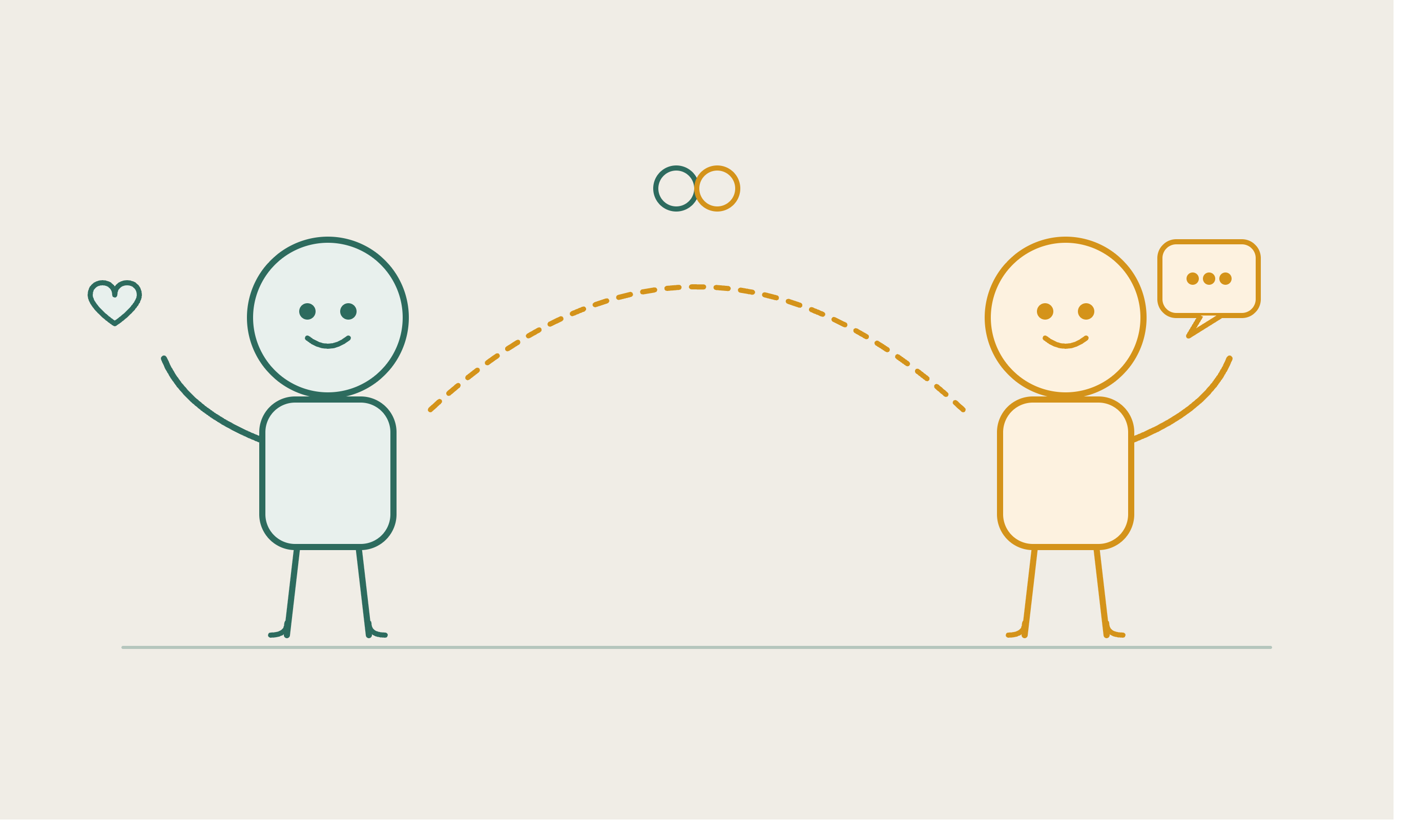
The five love languages concept has been around long enough that most couples have at least a passing familiarity with it. Words of affirmation, quality time, acts of service, physical touch, gift giving. Most people have a rough sense of which one resonates most. The problem shows up when partners don’t match.
It’s more common than the opposite. Two people landing on the same primary love language is actually the exception. What’s more typical is one person who genuinely lights up when their partner says something kind, paired with someone who expresses love by handling the dishes without being asked, and neither one quite understanding why the other doesn’t seem satisfied.
This doesn’t mean the relationship is broken. It means you’re speaking slightly different dialects and haven’t quite built a shared vocabulary yet.
Why Mismatches Create Friction
The underlying issue with mismatched love languages isn’t that one person loves the other less. It’s that they’re each expressing love in the way that would mean something to them, rather than in the way that would mean something to their partner.
Someone whose love language is acts of service might spend a Sunday reorganizing the kitchen, doing a load of laundry, and fixing something that’s been broken for weeks. They feel like they’ve said “I love you” loudly and clearly. Their partner, whose language is words of affirmation, spent the same Sunday wondering why they haven’t heard much warmth from the other person. Both people tried. Neither one felt received.
Once you see this pattern, a lot of relationship friction starts to make more sense. Arguments that seem to be about specific incidents are often about this deeper signal mismatch. The complaint “you never tell me you appreciate me” and the response “I do everything around here” are both true. They’re just not connecting.
What Actually Helps
Understanding the framework is a start, but it doesn’t do much on its own. The more useful shift is getting specific about what each person actually needs, not just the category.
“Quality time” means different things to different people. For one person it might mean undivided attention on the couch with no phones. For another it might mean doing something active together. Two people can both identify as quality time people and still miss each other if they haven’t talked about what that actually looks like day to day.
A few things that tend to help in practice:
Be specific about what lands. Instead of “my love language is words of affirmation,” try “when you tell me you noticed something I did, even something small, I actually feel that.” Specificity gives your partner something they can act on.
Lower the threshold for what counts. A lot of people are waiting for a grand gesture when small consistent signals would do more. A ten-second check-in text, a specific compliment, putting something away without being asked. Frequency matters more than scale.
Notice what your partner does, not what you wish they’d do. If your partner’s natural mode is acts of service and yours is physical touch, you can either spend time wishing they’d reach for your hand more, or you can let yourself actually feel the affection in the thing they already do. Both are choices. The second one is less exhausting.
Tell each other what you’re working on. “I know I’m not naturally great at this, but I’m trying to get better at it” is surprisingly effective. It signals effort, which is often what the other person actually needs to feel.
Finding Activities That Work for Both
One of the more practical ways to bridge a mismatch is finding activities that speak to both languages at once, or at least feel good enough to both people that it naturally creates connection.
Games tend to work well here for a somewhat mechanical reason: you’re in the same space (quality time), you’re paying attention to each other (acts of service, in a loose sense), and there are natural moments for the kind of banter and warmth that makes words of affirmation people feel good. It’s not therapy. It’s just time structured in a way that makes connection easier.
Couplescade has a few games that fit this particularly well. This or That Spiral tends to surface things you didn’t know about each other, which gives words of affirmation people plenty to respond to (“wait, I didn’t know you felt that way about that”). Story Builder is collaborative rather than competitive, so it suits couples where one person gets stressed by head-to-head pressure. Both run in the browser with a shared room code, no setup.
This isn’t a substitute for the harder conversation work. But shared activities that create genuine warmth are part of how couples who are wired differently actually stay connected day to day.
The Part Nobody Talks About
Most love language advice is framed as a translation problem: learn your partner’s language, speak it more fluently. That’s useful, but it leaves out something important.
People’s love languages can shift. What someone needed most at 25 isn’t necessarily what they need at 38. Stressful periods change what feels like support. So does getting older, having kids, losing people, changing jobs. A relationship that felt aligned for years can start to feel mismatched just because one person’s needs quietly changed and neither of you noticed.
The couples who navigate this best tend to be the ones who check in every once in a while, not in a clinical way, but just as a regular part of paying attention to each other. “Is this still working for you?” is a much easier conversation to have before there’s tension than after.
Different love languages aren’t an obstacle. They’re just a reason to stay curious about the person you’re with, which is probably a good habit in any relationship, regardless of what languages are involved.
Frequently asked questions
Can a relationship work if you have different love languages?
Yes, and most relationships involve at least some mismatch. The issue usually isn't the difference itself but whether both people understand what the other needs. Once that's clear, most couples find workable overlap without much effort.
What if my partner's love language feels unnatural to me?
It probably will at first. That's normal. The goal isn't to become a different person but to stretch slightly in the direction your partner responds to. Small consistent effort tends to matter more than big occasional gestures.
How do you figure out each other's love language?
Pay attention to what your partner complains about when they feel disconnected, and what they do most often to show love themselves. People tend to give love in the way they want to receive it. That's usually the clearest signal.